

Forget everything you know about young adult fiction. When art and story merge, reluctant readers suddenly find themselves hooked, turning pages and sparking imaginations. M J Pfiffner’s Books & Art, this blend creates worlds you don’t just read—you live in. Ready to see how narrative art transforms reading into an adventure? [https://graphicmama.com/blog/children-book-illustration-styles/]
Art and Story: A Winning Duo
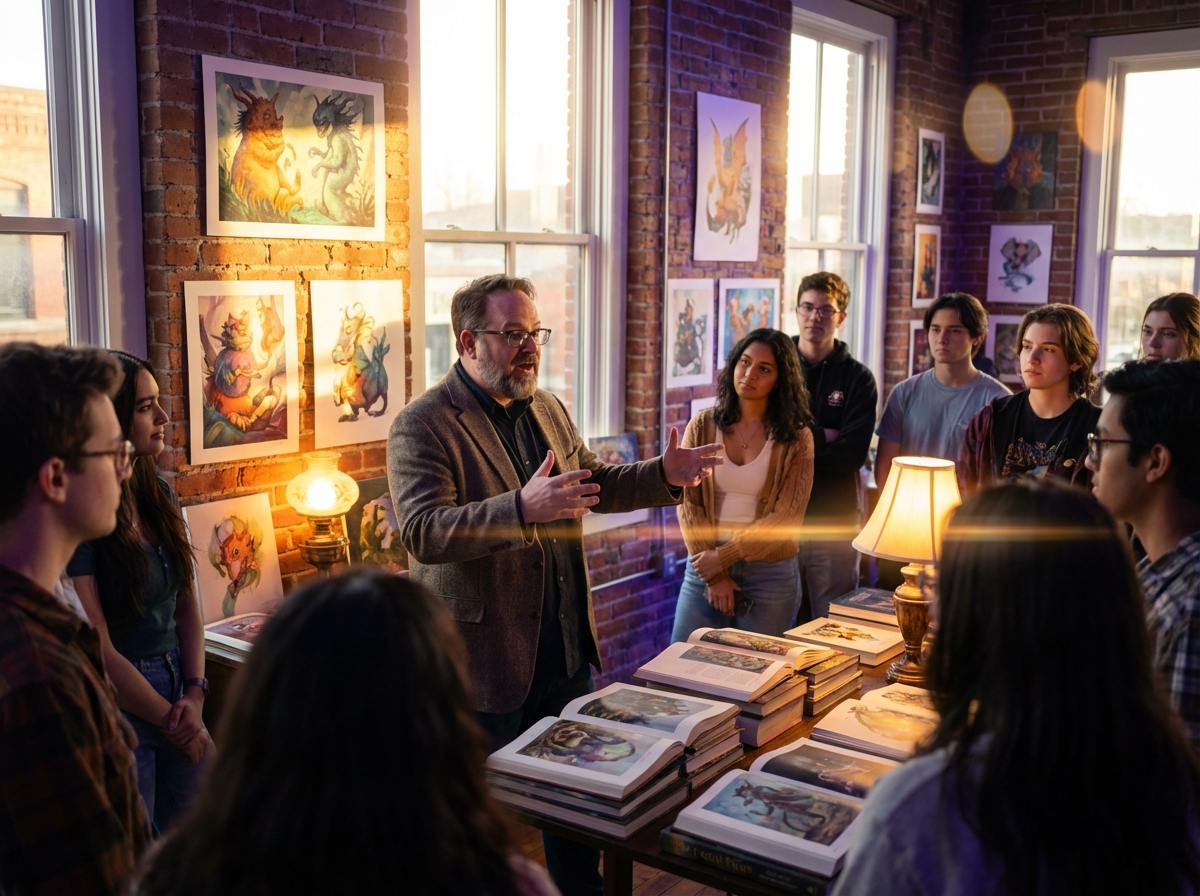
The blend of art and storytelling offers a fresh approach to capturing the attention of young readers. This combination invites them into vibrant worlds where stories come alive, making reading an adventure rather than a task.
Captivating Young Adult Minds
Ever notice how a stunning image can grab your attention instantly? That’s the power of visual storytelling, and it’s a game-changer in young adult fiction. When you flip through a book and see vivid illustrations, it’s like a burst of color in your mind. These images make characters and scenes leap off the page, creating a more immersive experience.
Imagine a reluctant reader someone who usually skips the library suddenly finding themselves intrigued by a book cover or artwork. These visuals serve as a gateway, pulling them into the story. A strong visual can spark curiosity and make young readers eager to dive into the narrative. This approach not only captures attention but also builds a deeper connection with the story world. When art and text work together, they form a compelling duo that brings storytelling to life.
Visual Literacy in Classrooms
Visual literacy is more than just an art lesson; it’s a crucial skill for today’s students. By integrating images with text, we help students interpret, analyze, and understand complex concepts more easily. In classrooms, this method encourages students to engage with stories on a deeper level.
Teachers have found success using graphic storytelling to explain themes and characters. When students connect with pictures, they can better grasp the plot and emotions behind it. This is especially true for those who struggle with traditional reading methods. By focusing on visual elements, teachers create a more inclusive learning environment where every student can thrive. For more ideas on combining writing and art, check this resource.
Reading Motivation for Teens
Teens today face countless distractions, from social media to video games. So, how do you get them to pick up a book? By making reading as engaging as their favorite apps. Combine art and story to capture their attention and imagination.
Visual storytelling offers a dynamic way to motivate teens. When they see their favorite characters illustrated, it adds depth to the story. It’s like seeing their imagination come to life. This not only fuels their interest but also encourages them to explore more books. By blending art and narrative, we create a reading experience that keeps teens coming back for more.
Bringing Imagination to Life
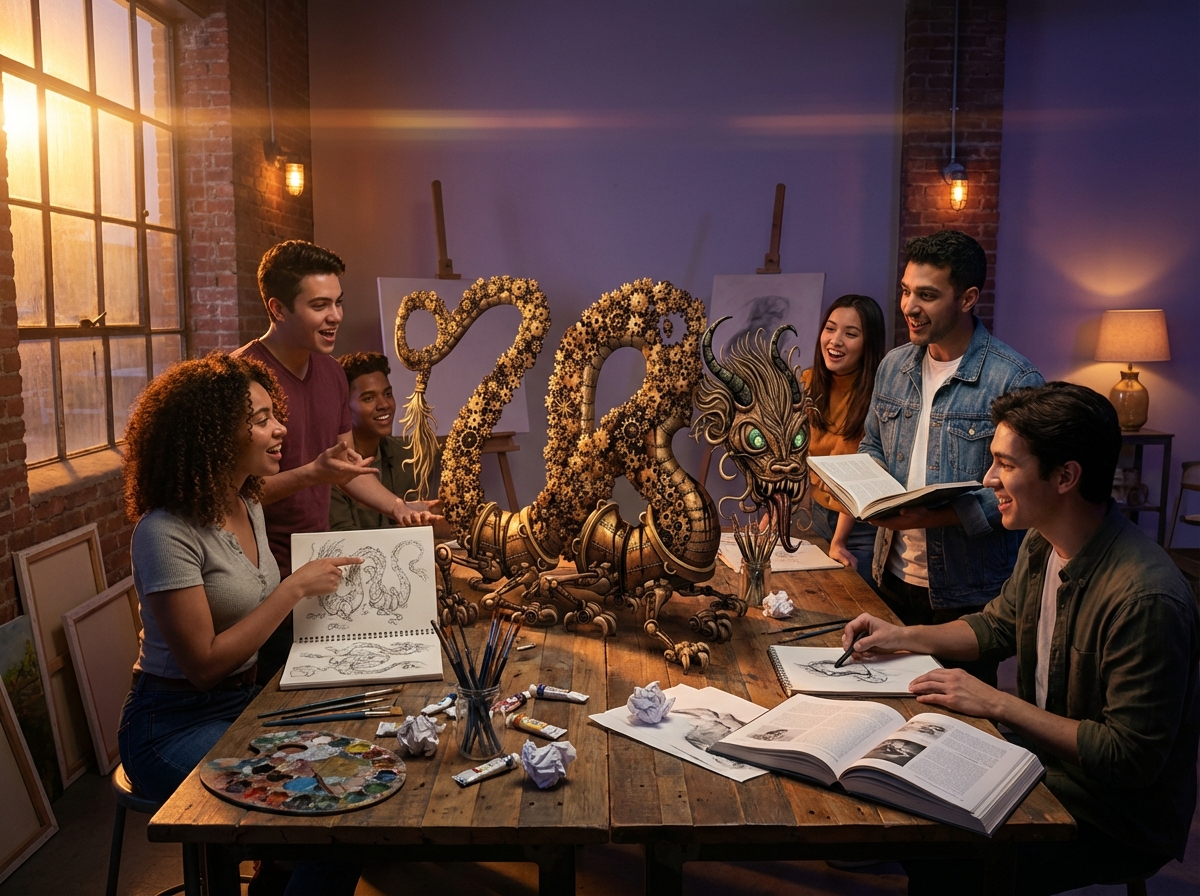
The journey of imagination and storytelling continues, showing how narrative art transforms reading into an adventure. Explore the impact of storytelling through art and its role in classroom engagement.
Narrative Art in Action
Narrative art is a powerful tool that makes stories tangible. With art, readers visualize characters and settings, making the plot more relatable. Think of it as watching a movie in your mind while reading a book. This approach enhances engagement, especially for those who find reading challenging.
Art not only complements the text but also adds layers to the story. A single illustration can convey emotions, conflicts, and themes that words alone might miss. For reluctant readers, this can be the catalyst that turns reading from a chore into a passion. As they see the story unfold visually, their curiosity grows, urging them to read on. The result? A newfound love for books and storytelling.
Storyworld Artwork and Book Illustrations
In the realm of young adult fiction, illustrations play a crucial role in storytelling. They offer a glimpse into the story world, capturing the essence of the narrative. Imagine opening a book and being welcomed by a captivating scene that hints at the adventure within.
Illustrations serve as a visual guide, helping readers navigate complex plots and characters. They bring the narrative to life, making it easier to understand and remember. For young readers, especially those who are hesitant, these visuals can make all the difference. They create a connection to the story, making it a memorable experience. Explore more about the art of storytelling here.
Integrated Storytelling and Classroom Engagement
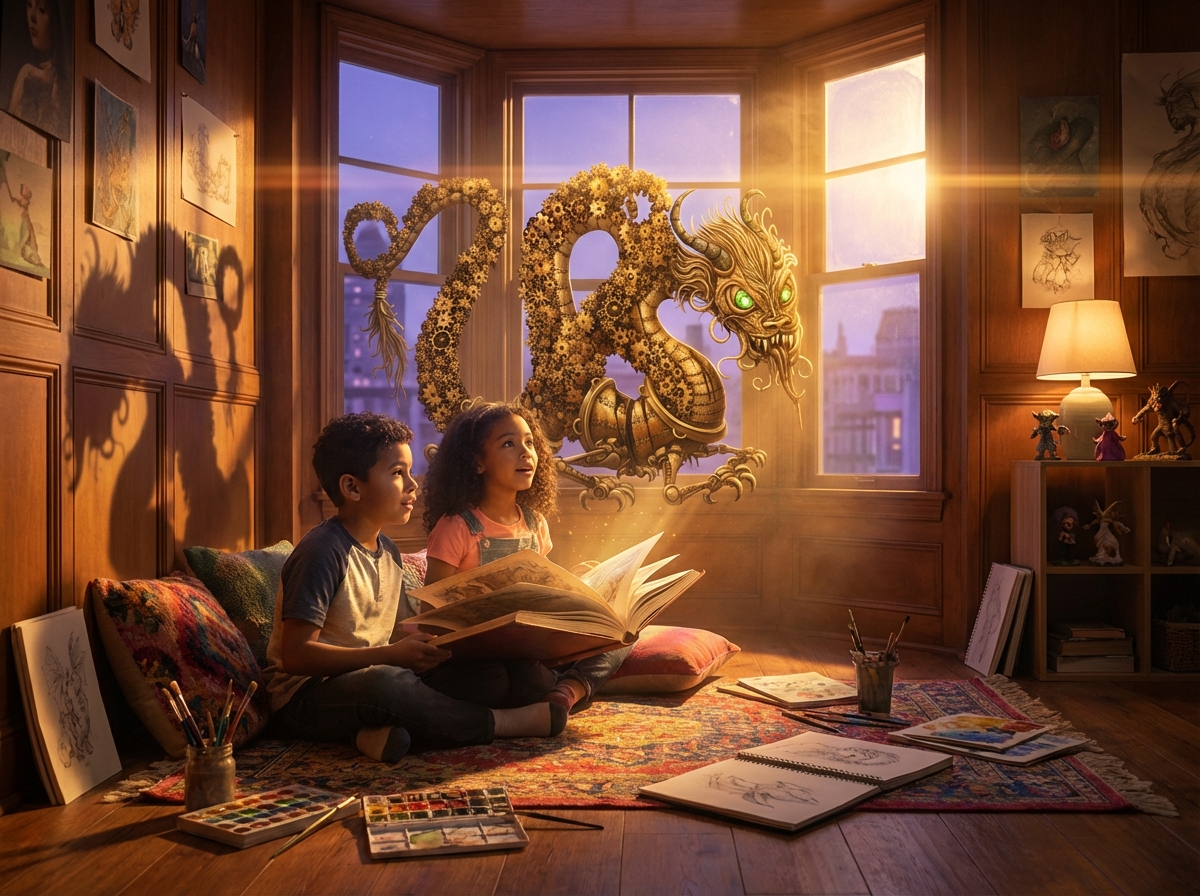
When classrooms embrace integrated storytelling, students benefit immensely. This approach combines text and visuals, catering to different learning styles. It encourages creativity, critical thinking, and a deeper understanding of the material.
Teachers report that students are more engaged and participate actively when lessons include visual elements. This method not only makes learning fun but also boosts retention. By intertwining art with text, educators can create a dynamic learning environment. Students are not just passive readers; they’re active participants in the story.